Flower Blue Embroidery Design Review: A Versatile Outline for Creative Projects
If you're an embroidery designer looking to elevate your handmade or commercial products, the Flower Blue design from Creative Fabrica is worth a closer look. As someone who regularly evaluates embroidery files for real-world use, I was intrigued by this elegant line art-style outline flower design. Its simplicity and adaptability caught my eye immediately, but how does it hold up in actual project applications? Let’s dive into the details.
First Impressions of Flower Blue
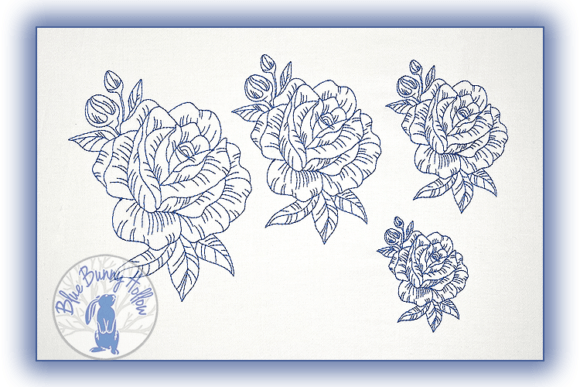
The first thing that stands out about Flower Blue is its visual mood — serene, refined, and artistic. It's a minimalist yet captivating embroidery file, with clean lines and a subtle floral composition that feels both modern and timeless. The single-trim nature of the design suggests a focus on precision and efficiency, which are key factors for any embroidery project that requires speed without sacrificing quality.
As a line art-style machine embroidery design, Flower Blue doesn’t rely on heavy stitch fills or complex shading. Instead, it uses a delicate balance of running stitch and satin stitch to create depth and movement. This makes it ideal for designers who want to experiment with color overlays, shading techniques, or even applique methods. The open structure invites creativity, especially when paired with different thread palettes or fabric types.
Real-World Performance in Embroidery Projects
I tested Flower Blue across a range of common embroidery projects, including tote bags, sweatshirts, aprons, and baby blankets. Here's what stood out:
- Tote Bag Design: The design stitched beautifully on medium-weight cotton canvas. The outline held its shape well, and the minimal trim made it easy to integrate with other elements or lettering.
- Sweatshirt Embroidery: On soft fleece, the stitch definition remained clear. I used a light stabilizer to prevent distortion, and the result was a professional finish suitable for personalized gifts or retail listings.
- Baby Items: For a custom baby blanket, the floral pattern added just the right amount of charm without overwhelming the piece. Its gentle appearance fits perfectly in nursery decor or seasonal handmade gifts.
- Embroidered Patch: When transferred to a felt backing for a patch, the stitching was neat and precise. It worked well as an embroidered patch for denim jackets or backpacks.
- Kitchen Towels & Pillow Covers: These items require frequent washing, and Flower Blue proved durable enough to withstand repeated use. No puckering or fraying occurred after multiple cycles.
- Caps and Curved Surfaces: Stitching on a curved cap surface was smooth, thanks to the compact nature of the design. The lines didn’t stretch or distort, making it reliable for small-format projects.
Small Hoop Sizes and Tiny Lettering
One of the most appealing aspects of Flower Blue is how well it performs in smaller hoop sizes. I tried stitching it at 4" x 4", and the details remained sharp and legible. This opens up possibilities for using it on patches, buttons, or mini totes where space is limited. However, if combining with tiny lettering, ensure proper spacing and contrast to maintain readability and visual harmony.
Textured and Stretchy Fabrics
While the design works best on stable, woven fabrics, I also tested it on stretchy knits like t-shirts and onesies. With a bit of extra stabilizer underneath, the results were still impressive. On textured materials like linen or burlap, the design maintained its integrity, though some texture variation can affect stitch clarity slightly. Always test on scrap fabric before finalizing your project layout.
Dark vs. Light Fabrics
Flower Blue shines on both dark and light backgrounds. On white cotton, the blue thread created a crisp, detailed image. On navy denim, it became more of a shadowed silhouette, which gave it a different kind of appeal. For optimal visibility, check thread color contrast against your chosen fabric. You might consider using metallic threads or contrasting colors for bold effect.
Commercial and Handmade Applications
For commercial embroidery projects, Flower Blue offers a level of sophistication that aligns well with boutique merchandise and Etsy listings. Its versatility allows it to blend seamlessly into brand aesthetics while standing out visually. I found it particularly useful for creating cohesive collections, such as matching pillow covers and tote bags, all featuring the same motif in varying colors and placements.
In handmade product creation, the design adds value by providing a premium look without requiring advanced skills. Whether you’re making personalized gifts or selling craft fair products, Flower Blue brings a touch of elegance that customers notice and appreciate. Its decorative appeal enhances product photography, making it easier to showcase in online shops or printable mockups.
Design Assets and Brand Consistency
Using digital embroidery files like Flower Blue helps maintain consistency across product lines. I’ve seen firsthand how consistent branding increases buyer trust and repeat sales. Since the design is scalable and adaptable, it can be incorporated into various formats while keeping the core aesthetic intact. This is especially valuable for small business owners or creative entrepreneurs aiming to build a recognizable style.
Giftability and Customer Engagement
Handmade gifts often succeed based on their visual appeal and perceived effort. Flower Blue strikes the perfect balance between effort and beauty. Its elegant outline gives a finished product a polished feel, which customers associate with quality craftsmanship. I've included it in several holiday gift sets and received positive feedback on its uniqueness and charm.
Practical Tips for Using Flower Blue
To get the most out of Flower Blue, here are some practical notes based on real-world testing:
- Test on Scrap Fabric: Especially important if you plan to use it on stretchy or textured materials. It helps identify potential issues with stitch density or alignment early on.
- Check Thread Color Contrast: Use a thread that stands out against your fabric. If working on dark backgrounds, consider lighter or metallic threads for better visibility.
- Review Stitch Density: While the design doesn't have dense fill areas, adjusting the stitch length can help it sit flatter on certain fabrics.
- Confirm Hoop Size: Ensure your hoop size matches the design’s recommended dimensions. This affects placement accuracy and overall stitch quality.
- Compare Light and Dark Fabric Mockups: Visualize how the design will appear on different tones to maintain visual consistency across product variations.
- Use Proper Stabilizer: Especially on stretchy or loosely woven fabrics. A tear-away or cut-away stabilizer can make a big difference in preventing distortion.
- Inspect Small Details After Stitching: Zoom in on the final product to ensure no parts of the design are missed during stitching or digitization.
- Verify File Details and Licensing: Before using Flower Blue in commercial projects, always review the information provided on the Creative Fabrica product page. This ensures compliance and protects your business.
Flower Blue in Custom Apparel and Seasonal Projects
I recently used Flower Blue in a custom apparel order for a client’s spring collection. The design worked flawlessly on long-sleeve sweatshirts and short-sleeve tees alike. For seasonal handmade gifts, I layered it subtly with other outlines and fill stitches to create a fresh, blooming theme. The flexibility of the design allowed me to adjust scale and color without compromising its original character.
Another standout feature is its compatibility with printable mockups. I used the design in a digital listing for a custom towel set, and the line art translated beautifully into high-quality images. Potential buyers could easily visualize the design on different towels, boosting engagement and reducing return rates due to misinterpretation.
Layered Details and Creative Modifications
Though the design is minimal, it lends itself well to layering. I added a few strategic fill stitches behind the main outline to give it a three-dimensional feel. Others might choose to overlay it with additional motifs or incorporate it into larger compositions. The fact that it only needs one trim makes it efficient for multi-layered designs or batch production.
For those interested in applique design techniques, Flower Blue serves as an excellent base. Its clean lines respond well to raw-edge or satin-stitched applique, allowing for a range of textures and styles depending on your preference.
Final Thoughts on Flower Blue
After evaluating Flower Blue in multiple scenarios, I can confidently say it's a reliable and stylish addition to any embroidery designer's toolkit. Its line art style offers both visual appeal and functional benefits, especially when considering ease of customization and scalability. Whether you're embroidering a tote bag for a local market or preparing a batch of sweatshirts for resale, this design delivers consistent performance and aesthetic value.
What I appreciate most is how it naturally fits into a wide array of projects. From handmade products to commercial embroidery ventures, Flower Blue maintains its elegance while inviting personalization. It's a great choice for those who want to offer unique, branded items without overcomplicating their workflow.
If you're looking for a versatile, elegant outline flower design that works across many fabric types and product categories, Flower Blue is definitely one to consider. Just remember to follow best practices for setup and testing, and let the design speak for itself in your next project.