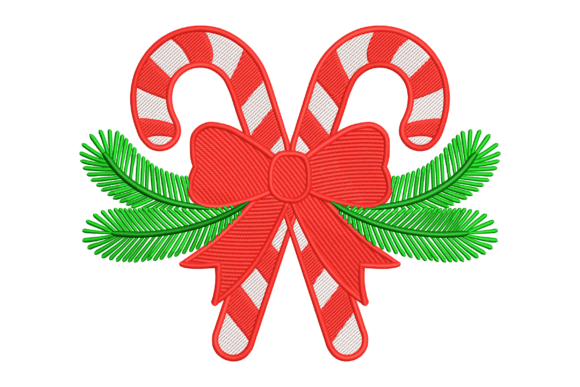
Candy Cane Bow Embroidery Design Review for Small Business Merch
First Impressions of the Candy Cane Bow Design
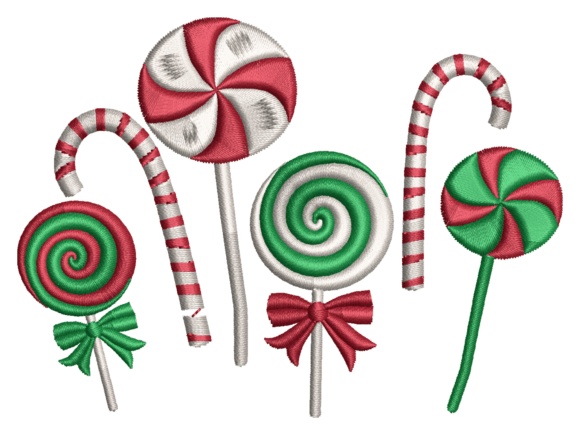
As an experienced embroidery designer, my first look at the Candy Cane Festive Bow design tells me it has a clear visual identity. The motif features two traditional red and white striped candy canes crossed in the center, suggesting a classic and festive aesthetic. This is not just another holiday decoration—it feels like a versatile machine embroidery design that could easily integrate into branded merchandise without being overly busy or unprofessional. The design’s balance between simplicity and charm makes it suitable for businesses looking to add seasonal flair while maintaining brand consistency. It reads as premium yet playful, which is ideal for small business owners who want their custom apparel and accessories to feel both polished and personable.Real-World Application: Where Candy Cane Bow Shines
When evaluating how well an embroidery file performs across various products, I consider placement, fabric compatibility, and stitch density. Here's where the Candy Cane Bow excels:Embroidered Patches: The crossed candy canes make for a strong graphic when stitched as a patch. Whether used on tote bags, aprons, or promotional items, this design adds a touch of holiday spirit with a clean layout. Its structured form works especially well as a brand identity element during the festive season.
Staff Uniforms & Chest Logos: For businesses like cafés, bakeries, or boutique shops, adding the Candy Cane Bow to staff uniforms can create a cohesive and cheerful team look. As a chest logo accent, it brings attention without overwhelming the wearer. The bold stripes help the design stand out even on light-colored fabrics.
Apron Embroidery: Handmade brands or craft shops can use this design as a sleeve detail or front pocket embellishment. The motif complements rustic or vintage-style aprons and enhances the perception of a handmade product with its charming, handcrafted appearance.
Cap Embroidery: When placed on the back of a cap or near the brim, the Candy Cane Bow adds a subtle festive touch. However, be mindful of the scale—this design needs enough room to breathe and maintain clarity.
Tote Bag Design: On tote bags, the bow can serve as a central mark or corner detail. Its recognizable shape ensures visibility from a distance, making it excellent for customer gifts or event merch. The contrast of red and white thread colors helps the design pop against neutral or pastel backgrounds.
Product Packaging Accents: Think beyond fabric. The Candy Cane Bow can also work as an embroidered label or ribbon for wrapping paper, gift boxes, or custom packaging. This is particularly effective for Etsy sellers or handmade brands aiming to differentiate their offerings during the holiday rush.
Boutique Merchandise & Event Merch: This design fits perfectly into seasonal collections. It can be used to stitch onto scarves, mittens, or even as part of a printable mockup for digital marketing. Its classic nature ensures it won’t date quickly, making it a valuable addition to your design assets.
Where to Use Candy Cane Bow with Caution
- Small Patch Sizes: If you plan to use this as a small patch, test it at reduced sizes before finalizing. Fine details might get lost if the design is too tiny.
- Cap Fronts: Avoid placing it directly on the front of caps unless you’re using a larger hoop size. The front cap area is often limited and doesn’t support intricate designs well.
- Curved Surfaces: Be careful when stitching on curved areas like sleeves or shoulder yokes. Distortion may occur if the design isn't adjusted for curvature.
- Tiny Lettering: If you're combining the bow with text, ensure the lettering is large enough to remain legible. Tiny fonts next to the bow may appear cluttered.
- High Stitch Density: Depending on the embroidery file, this design might require spacing adjustments to prevent excessive stitch density, which can lead to puckering or fabric damage.
- Detailed Outlines: Avoid overcomplicating the edges with too many color changes or intricate outlines. A clean, crisp finish is more professional for commercial embroidery projects.
- Textured Fabric: Test the design on different textures. Fabrics like denim or canvas may absorb stitches differently, affecting the final appearance.
- Dark Uniforms: Red and white threads may not show up clearly on dark backgrounds. Consider using alternative thread colors or lighter garments for better visibility.
- Frequent Washing: While the design looks sturdy, always test durability on items like aprons or work shirts that will be washed regularly. Proper stabilizer and high-quality thread can help maintain longevity.
Impact on Brand Identity and Customer Engagement
A well-chosen embroidery design can significantly influence how customers perceive your brand. The Candy Cane Bow offers a warm and inviting visual personality, aligning well with businesses that embrace a cozy, community-driven image. Whether you're a local bakery or a creative studio offering seasonal services, this design reinforces a sense of tradition and care. Its presence on branded merchandise helps build customer trust by showing attention to detail and a commitment to quality. Consistent use across multiple items—like small business merch, patches, and tote bags—enhances brand recognition. Customers start to associate the festive bow with your professionalism and seasonal offerings. Moreover, the design adds value to your finished product. It elevates standard items into something special, increasing buyer engagement and encouraging repeat purchases. For Etsy sellers or crafters, such a design can set their products apart in a crowded market.Practical Designer Notes for Using Candy Cane Bow
Before implementing the Candy Cane Bow in a production run, here are some key steps every embroidery shop or product designer should follow:- Test in Black and White First: Evaluate the design without color to understand its structure and how it translates across different thread palettes.
- Check Small Patch Size Performance: Resize the design and stitch it on a sample patch to see how it holds up visually and technically.
- Review Thread Color Contrast: Ensure the red and white (or any chosen colors) provide enough contrast against the garment fabric. Darker bases may need brighter thread options.
- Inspect Spacing and Layout: Look for tight corners or overlapping lines that might cause issues during stitching. Adjust spacing if necessary.
- Confirm Hoop Size: Without exact hoop size info, check the design file specifications. Larger designs may require bigger hoops to avoid distortion.
- Test on Real Fabric: Always do a trial stitch on the actual material you'll be using. This helps identify potential issues with tension or stitch behavior.
- Use Proper Stabilizer: Especially important for delicate or stretchy fabrics. Choose a stabilizer that supports the design's weight and prevents shifting.
- Create a Mockup for Client Approval: Share a printable mockup to visualize the design on the intended product. This reduces revisions and ensures client satisfaction.
- Compare Beside Other Design Assets: Make sure the Candy Cane Bow complements your existing logos and branding elements for visual consistency.
- Confirm Commercial Licensing: Before using the digital embroidery file for branded patches or custom apparel, verify that the file includes commercial usage rights. Otherwise, seek permission or opt for a licensed alternative.